The Case for Building with ICF in Florida
Every building material is a bet on the future. In a state with hurricanes, 100-degree heat indexes, and a hard insurance market, insulated concrete forms are the safest bet you can pour.
What an ICF Wall Actually Is
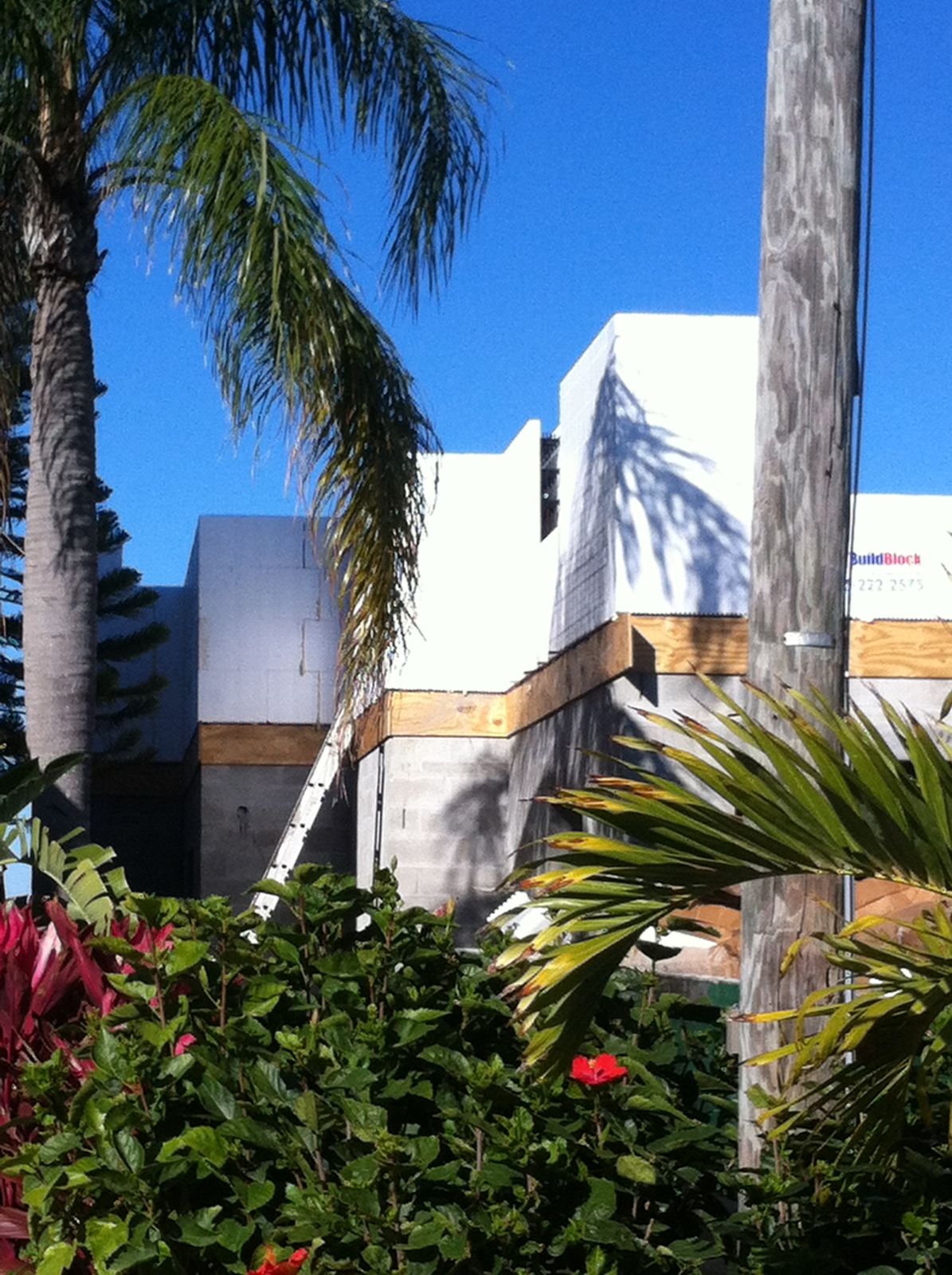
Insulated concrete forms are interlocking hollow blocks made of thick foam insulation. Crews stack them like oversized Legos in the shape of your walls, thread steel rebar through the cavities, brace everything plumb and square, and pump the core full of concrete.
The forms never come off. What you're left with is a monolithic, steel-reinforced concrete wall wrapped in more than 5 inches of continuous insulation — inside and out — ready for stucco, siding, brick, or stone on the exterior and standard drywall inside.
One wall assembly replaces framing, sheathing, insulation, house wrap, and furring. That's why ICF shells go up efficiently even though they outperform everything else on the block.
Seven Reasons Florida Owners Choose ICF
These aren't marketing claims — they're the physics of reinforced concrete and continuous insulation.
Hurricane Resistance
Steel-reinforced concrete walls engineered to resist hurricane-force winds and wind-borne debris. Concrete safe rooms built to FEMA criteria are rated for winds up to 250 mph — the same material logic protects your whole house.
30–50% Energy Savings
Continuous insulation with zero framing gaps, plus concrete's thermal mass, means your AC runs less and cycles less. Most ICF owners in Florida see cooling bills drop 30–50% versus comparable wood-frame homes.
Insurance Advantages
Concrete walls resist wind and fire — two things Florida insurers price hard. Many ICF owners qualify for lower premiums, and homes earning FORTIFIED designation may save substantially more on the wind portion.
Fire Resistance
ICF concrete cores carry fire ratings up to 4 hours — versus minutes for wood framing. The foam is treated with flame retardants and won't support an open flame.
Quiet Inside
Mass plus insulation is the recipe for sound control. ICF walls routinely hit STC 50+ — traffic, lawn crews, and thunderstorms fade to background murmur.
Nothing to Rot or Eat
Concrete doesn't rot, warp, or feed termites. Paired with code-required termite detailing and proper moisture management, ICF thrives in Florida humidity and salt air.
Comfort You Can Feel
No drafts, no hot rooms over the garage, no temperature swings. Thermal mass smooths out Florida's afternoon spikes, and right-sized HVAC dehumidifies better.
What About Cost?
Honest answer: an ICF wall system typically costs more upfront than wood frame or concrete block — usually adding around 3–8% to total construction cost, depending on design complexity and market conditions. If a contractor tells you ICF costs the same as frame, be skeptical. If one tells you it's 30% more, they probably don't build ICF regularly.
The better question is what the building costs to own:
- Energy: 30–50% lower cooling bills, every month, for the life of the building.
- HVAC: smaller equipment upfront, and it lasts longer because it cycles less.
- Insurance: potential premium savings year after year in Florida's hardest market.
- Maintenance: no rot repair, no re-siding, minimal storm patching.
- Resale: concrete homes with low bills and hurricane pedigree hold value.
For the full breakdown with numbers, read what an ICF home costs in Florida and our ICF vs. concrete block comparison.
Built for This Peninsula
ICF performs anywhere, but Florida is where it makes the most sense in America:
- Hurricane seasons are lengthening and intensifying. Concrete doesn't care.
- Cooling dominates your utility bill. Continuous insulation attacks your single biggest energy cost.
- Insurance is Florida's second mortgage. Wind- and fire-resistant construction is one of the few levers you control.
- Humidity and termites destroy wood. ICF gives them nothing to work with.
- Coastal codes keep tightening. ICF meets and typically exceeds Florida Building Code wind requirements, including in coastal high-wind zones.
If you're building on the coast, see our coastal & hurricane-resistant builds service — flood zones, salt air, and storm surge change the details, and we build for all three.
Why-ICF Questions We Hear Weekly
Is ICF overkill for an inland home away from the coast?
Hurricanes don't stop at the beach — inland Central Florida regularly sees hurricane-force gusts, tornadoes, and days-long power outages. Inland owners also get the same energy savings, quiet, and comfort benefits every day, storm or not.
Can I design a normal-looking house with ICF?
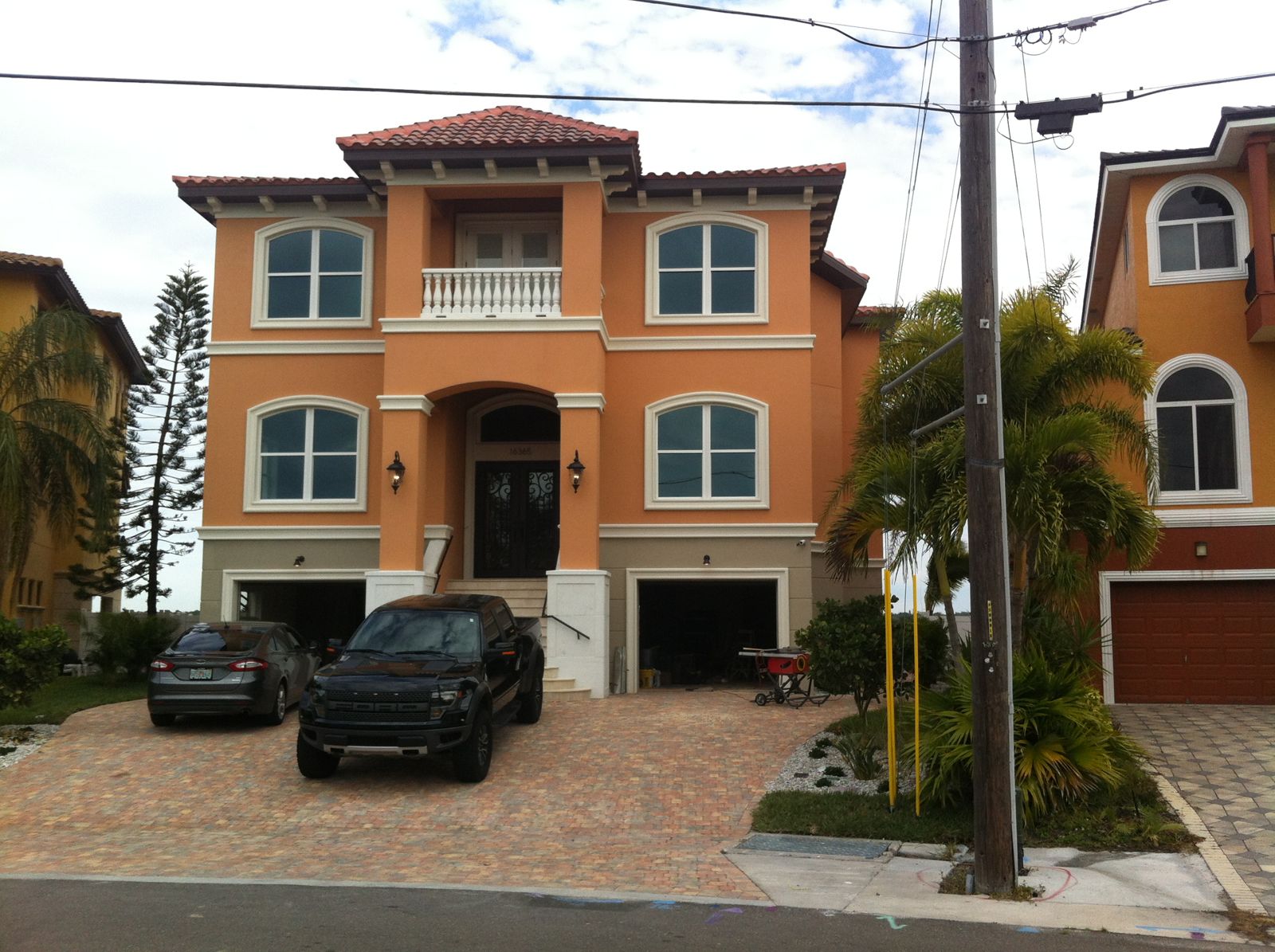
Yes. ICF homes take stucco, siding, brick, and stone like any other house — nobody can tell from the curb. Architects routinely design everything from Mediterranean to modern farmhouse in ICF, and we support them with the technical details.
Does ICF have problems with moisture or mold in Florida humidity?
Done right, the opposite. Concrete and closed-cell foam don't feed mold, and a properly detailed ICF wall manages moisture better than a frame wall full of organic material. The key is correct detailing at openings and penetrations — which is exactly why ICF experience matters.
How long does an ICF home last?
Reinforced concrete structures are routinely engineered for a century or more. Realistically, an ICF home is a multi-generational building — the roof covering and finishes will be replaced long before the walls need anything.
Is ICF environmentally friendly?
ICF buildings earn their sustainability over time: 30–50% less energy use for decades, far less construction lumber, less job-site waste, and a structure that won't end up in a landfill after the next major storm. Durability is the most underrated green feature.