Multi-Family & Community ICF Builds in Florida
Duplexes, townhomes, and multi-unit developments where the party wall is the selling point: fire-rated, storm-rated, and quiet enough that neighbors stay strangers.
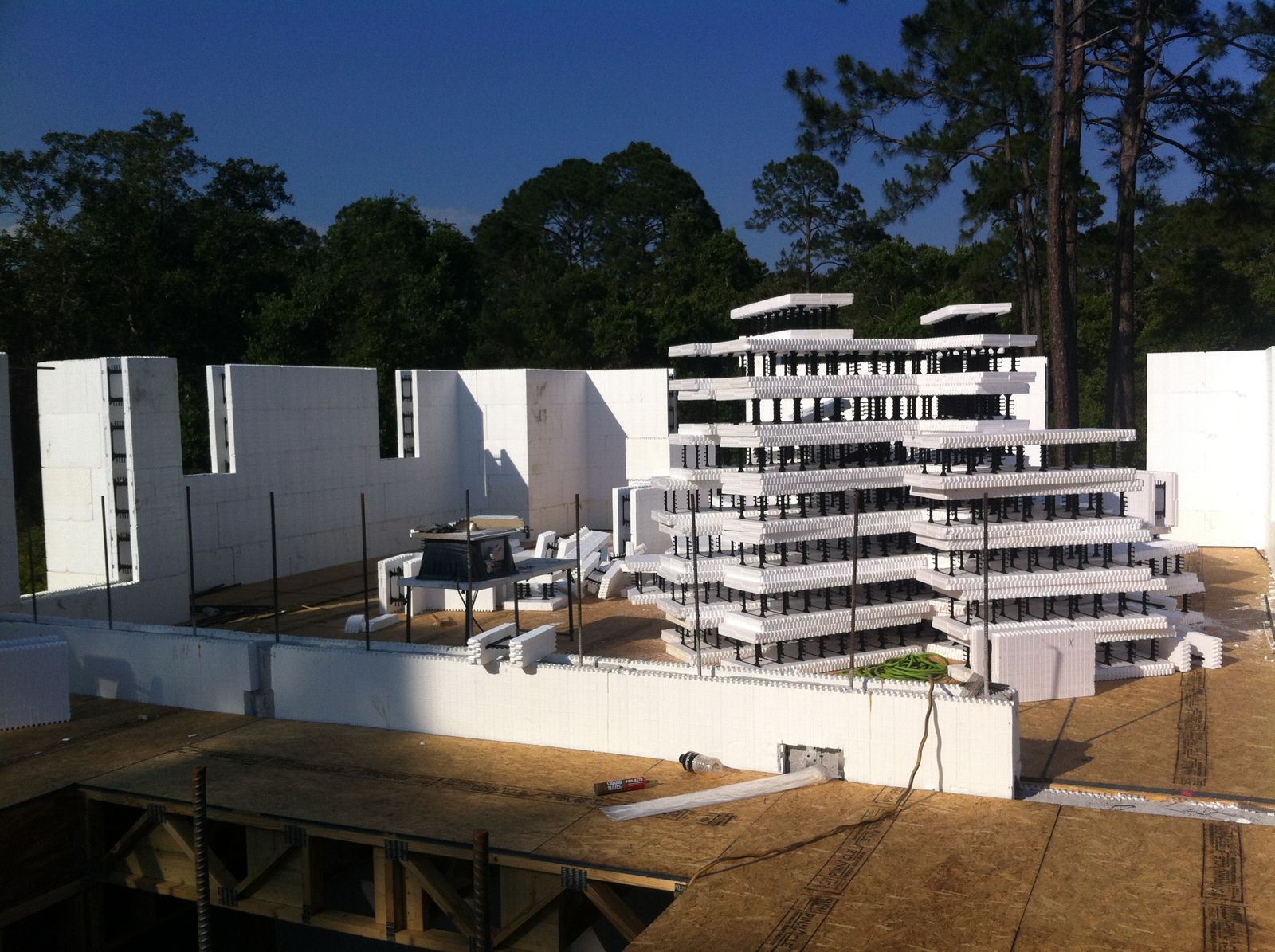
Multi-family construction lives or dies on the wall between units. It has to stop fire, stop sound, and carry structure — and in Florida it also has to stand up to hurricanes and keep insurance underwriters comfortable across an entire portfolio. An ICF party wall does all of it in one assembly: solid reinforced concrete carrying up to a 4-hour fire rating with a typical 6-inch core, wrapped in continuous EPS insulation, with STC 50+ typical sound performance that makes shared-wall living actually feel private.
Net Zero Homes builds duplexes, townhomes, and community developments across Central Florida and the Gulf Coast, as the builder running the project for the owner. ICF has been the only wall system on that license since 2003, and repetitive multi-unit work is where the system's speed and consistency show best. The insurance math that makes these projects pencil is covered in our ICF insurance savings article.
Why It Works
Fire separation built into the structure
Concrete party walls carry up to a 4-hour fire rating with a typical 6-inch core — real separation between units, not layered assemblies depending on perfect installation.
Neighbors you never hear
STC 50+ typical performance means footsteps, TVs, and arguments stay on their own side of the wall. Fewer noise complaints, better reviews, longer tenancies.
Portfolio-level insurance leverage
Hurricane and fire resistance can lower premiums, and FORTIFIED designation may qualify projects for substantial savings on the wind portion — multiplied across every unit.
Operating costs tenants notice
Units in ICF buildings commonly cost 30-50% less to cool than wood-frame equivalents. That's a leasing advantage in every Florida summer.
Repetition rewards the system
Repeated unit plans mean repeated wall details. Crews get faster and cleaner with every building, and schedules tighten instead of slipping.
Scales past the duplex
ICF has been used in buildings of 10+ stories, so the same wall system serves your townhome phase and your mid-rise phase.
Why ICF fits shared-wall living in Florida
Every risk in multi-family is a shared risk. A fire in one unit threatens the building. A hurricane threatens every door in the community at once. A noisy neighbor drives out a good tenant. ICF attacks each of these at the wall: concrete doesn't burn, walls engineered to resist hurricane-force winds and flying debris protect the whole structure, and mass-plus-foam sound control keeps units genuinely separate.
Florida adds its own pressures — a hard insurance market for multi-family, brutal cooling loads on units that owners often pay to condition, and termite exposure that concrete simply opts out of.
From duplex to development: how we deliver
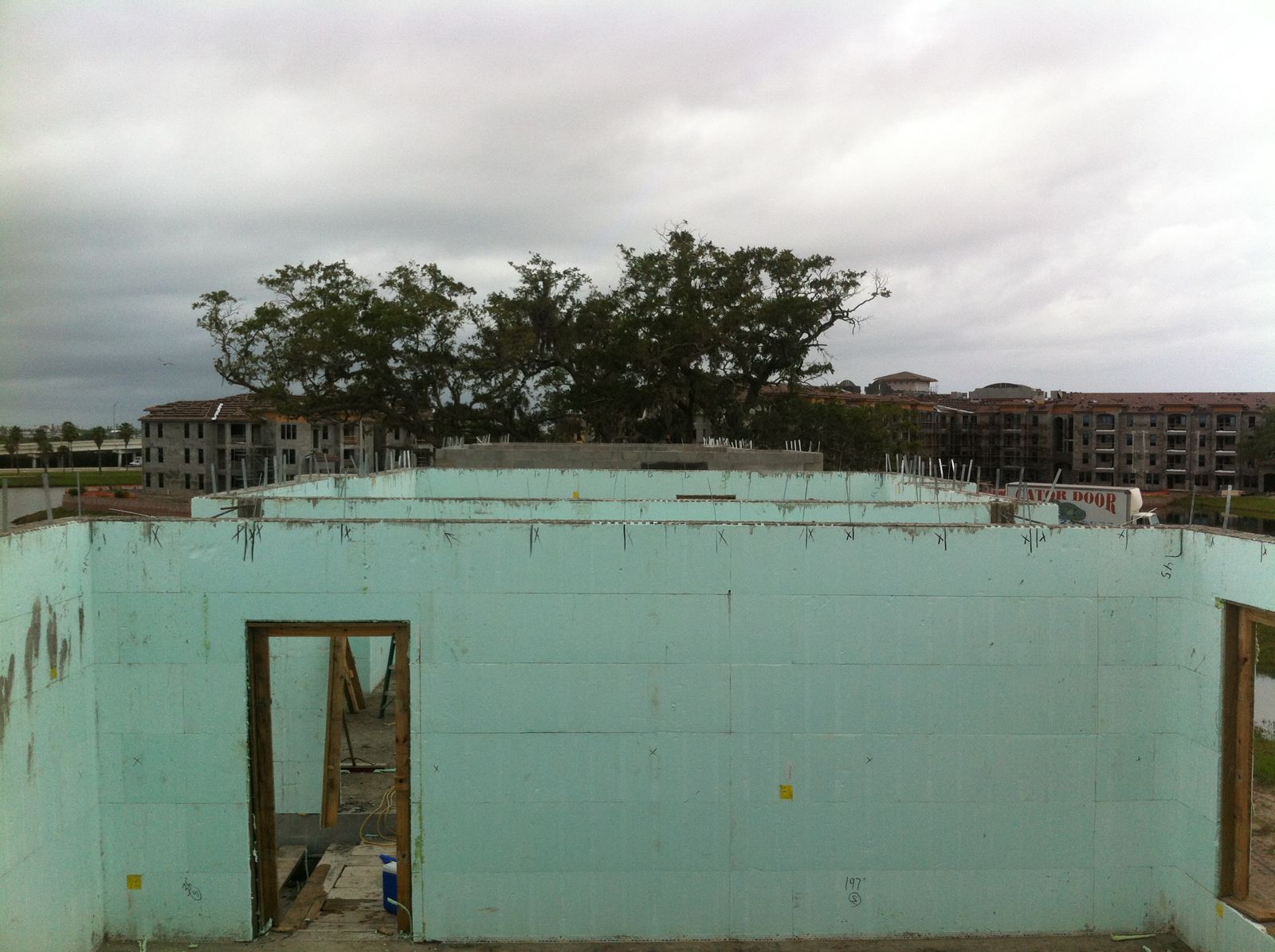
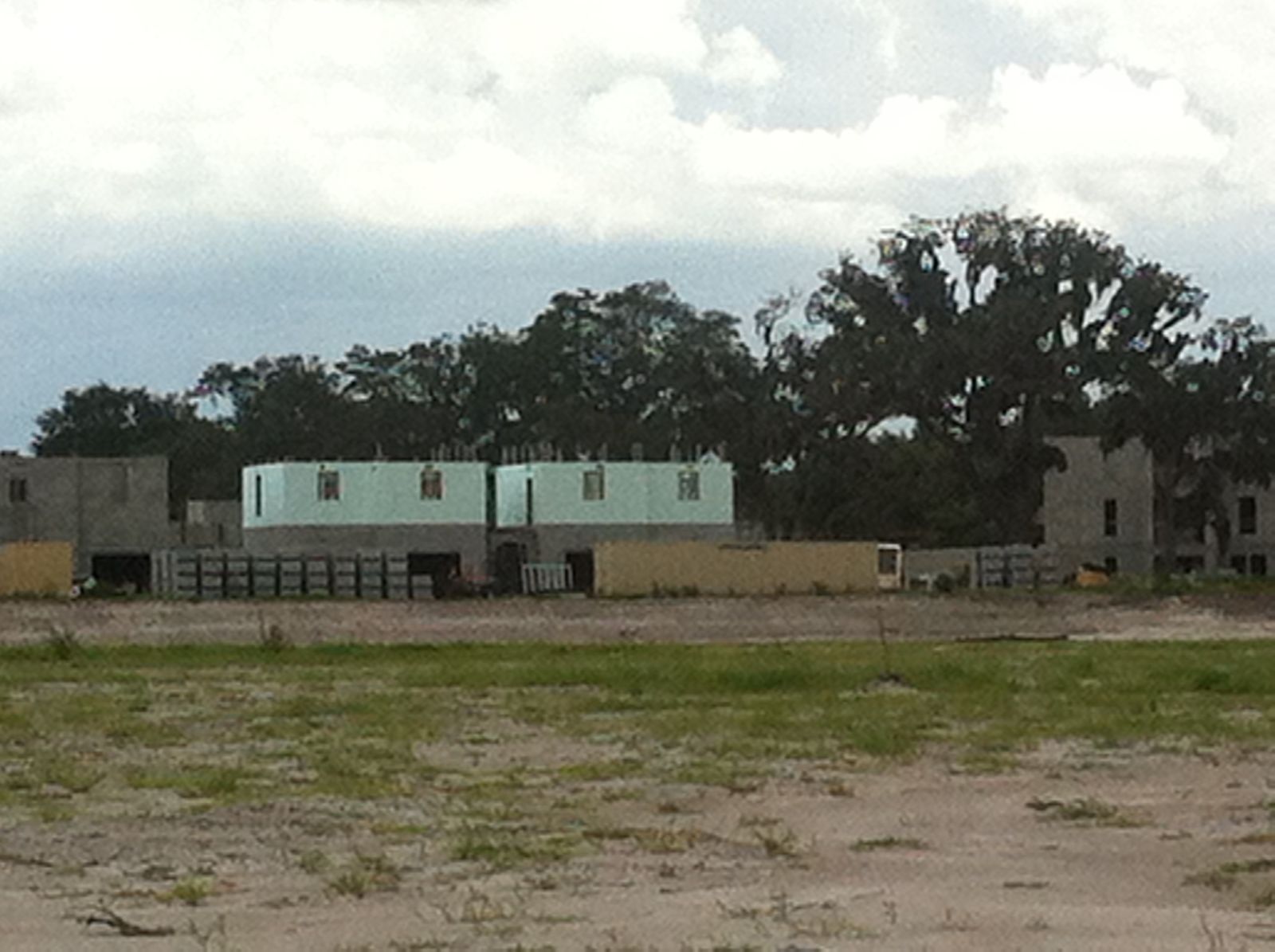
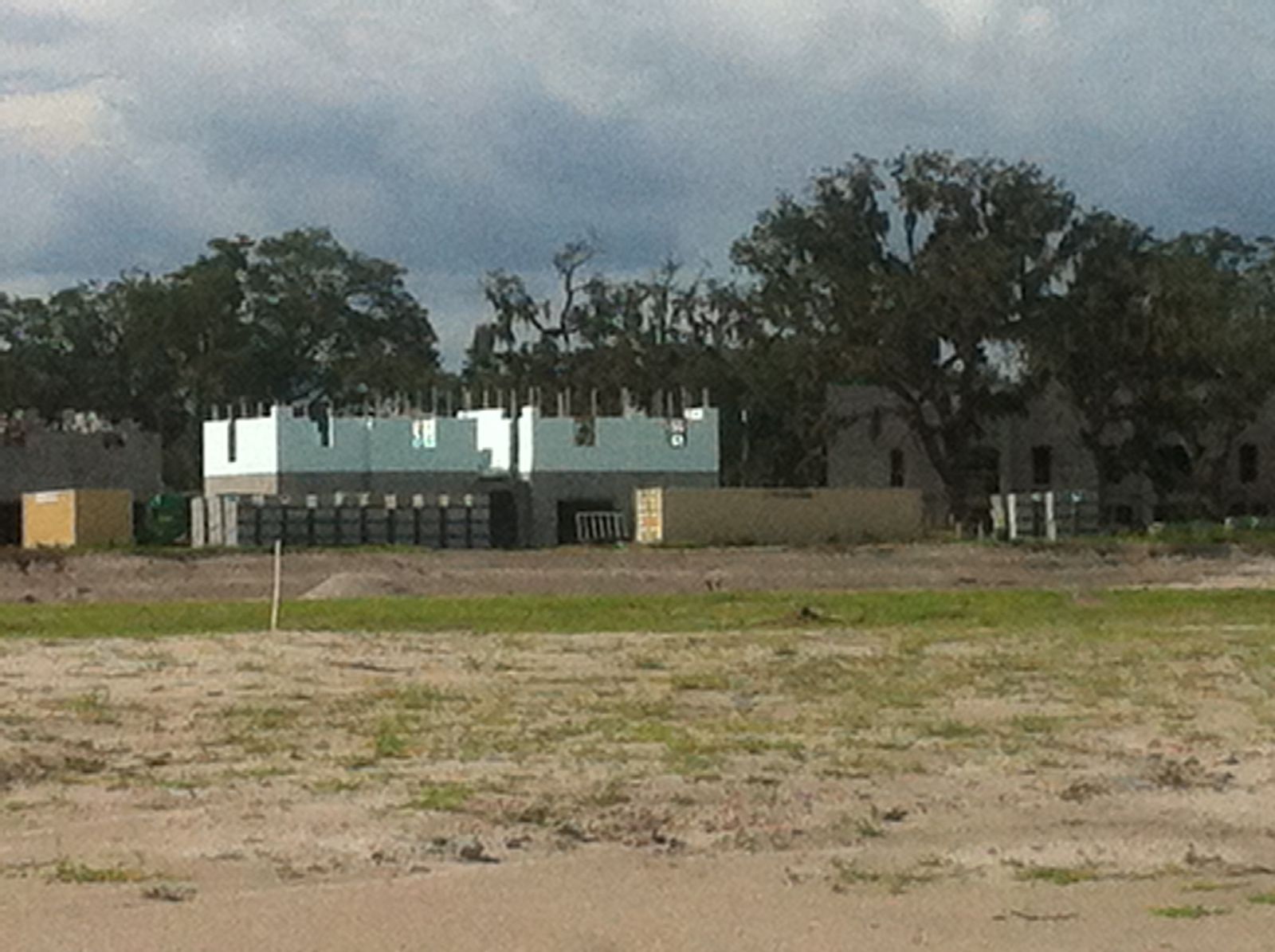
On smaller projects — duplexes, triplexes, a row of townhomes — we can run the build. On larger communities we typically contract the ICF shells as a defined, repeatable scope: footprint by footprint, walls up, poured, inspected, and handed off on a rhythm the other trades can plan around.
Phasing is where ICF quietly outperforms. Because each shell is weather-resistant concrete the week it's poured, a phased community doesn't sit exposed the way framed buildings do between trades. And because we're brand-agnostic across Nudura, Fox Blocks, BuildBlock, Amvic, and other systems, we pick the form that best suits your unit plans and party-wall details rather than forcing plans to fit a product.
The numbers developers actually run
ICF typically adds roughly 3-8% to wall-system cost versus block or frame — every project differs. Against that premium, a multi-family pro forma gets to count: potential insurance reductions across the whole property, 30-50% typical cooling savings that either lower owner-paid utilities or become a leasing story, smaller right-sized HVAC equipment in every unit, and a structure positioned to keep earning rent after a storm instead of filing claims.
Shared buildings — clubhouses and community storm rooms — fold into the same system.
Multi-Family & Community Builds FAQs
Does an ICF party wall meet Florida's fire separation requirements between units?
Concrete ICF walls carry up to a 4-hour fire rating with a typical 6-inch core, which meets or exceeds the rated-separation requirements most multi-family designs call for. Your architect confirms the required rating for your occupancy and configuration; the wall delivers it as structure, not as an applied assembly.
How much sound actually transfers between ICF units?
ICF party walls typically achieve STC 50+, the range where loud speech and most normal living noise stop being intelligible next door. Owners tell us it's the difference tenants comment on. Flanking paths like floors and penetrations still need good detailing, and we coordinate those.
Can ICF work for a phased community build without blowing the schedule?
Yes — phasing is a strength. Repeated unit plans make each successive shell faster, and poured concrete shells aren't weather-vulnerable sitting between phases. We sequence pours and inspections building by building so your trades roll through on a predictable rhythm.
What does ICF do for insurance on a rental portfolio?
Wind and fire resistance can lower premiums, and properties earning FORTIFIED designation may qualify for substantial savings on the wind portion of coverage. Multiplied across a whole community, it's often the line item that makes the ICF premium pencil. Your carrier sets final numbers.
Who pays the energy savings — us or the tenants?
Either way it works for you. If tenants pay utilities, units that commonly cost 30-50% less to cool are a genuine leasing and retention advantage. If you master-meter, the savings land directly on your operating statement. Smaller right-sized HVAC per unit also trims both capex and replacement cycles.
Can you build ICF townhomes with different exterior looks per unit?
Yes. Stucco, siding, stone veneer, and brick all attach to ICF, so a streetscape can vary finishes unit by unit over identical structural shells. You get architectural variety for the market without giving up the repetition that keeps the build efficient.